Background
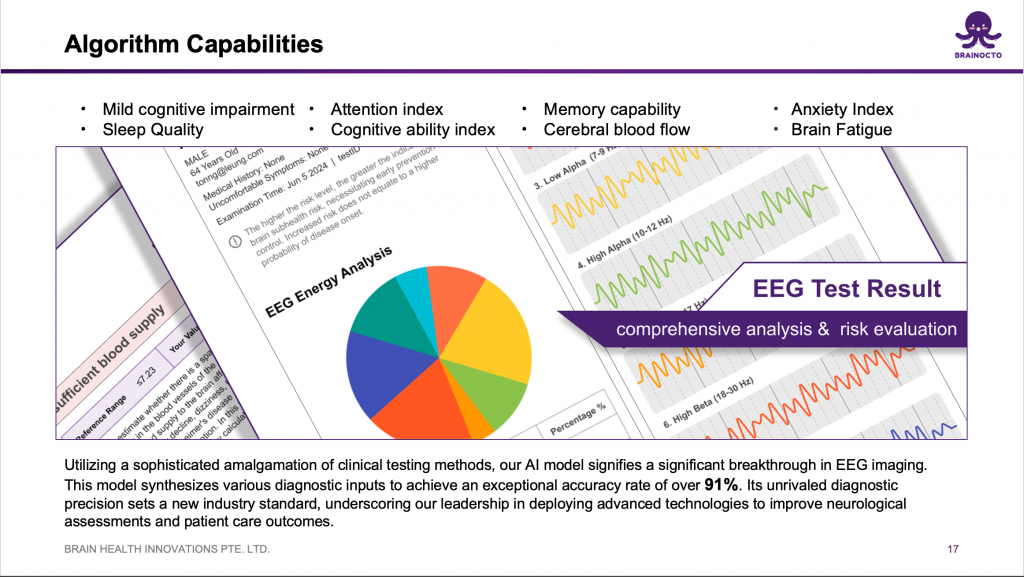
Brain Health Innovations Pte. Ltd. (Dr.Brain) was founded on a critical mission: to democratize access to brain health management. While traditional screening tools like MMSE and MoCA have long been the standard, they are often subjective and ill-suited for rapid deployment in primary healthcare settings. We recognized a need for a smarter, faster, and objective alternative—one that empowers early detection and continuous training for cognitive impairment and neurological conditions.
Built on a foundation of world-class research, Dr.Brain strategically integrates patent licensing from two of Asia’s top-ranked institutions, Nanyang Technological University (NTU) and the National University of Singapore (NUS). These partnerships fuel our capabilities in Brain-Computer Interfaces (BCI) and non-invasive neurotechnology.
As Co-founder and Chief Product Officer, I lead the translation of this complex academic IP into a user-centric commercial reality. My role encompasses the entire product lifecycle—from conducting deep user research and managing clinical collaborations to overseeing product design and final delivery. I sit at the intersection of technology and care, ensuring our solutions are not only clinically valid but also affordable and accessible for all.
Goals
Define Clinical & User Scope: Synthesize insights from market analysis, academic literature, and consultations with Principal Investigators (PIs) to establish precise requirements for an objective MCI screening tool.
Bridge Science & Usability: Design a patient-centric, non-invasive BCI interface that translates complex EEG data into an intuitive experience for elderly users and primary care practitioners.
Orchestrate Cross-Functional Delivery: Coordinate workflows across hardware, software, and clinical teams to ensure the seamless integration of AI algorithms with medical-grade hardware.
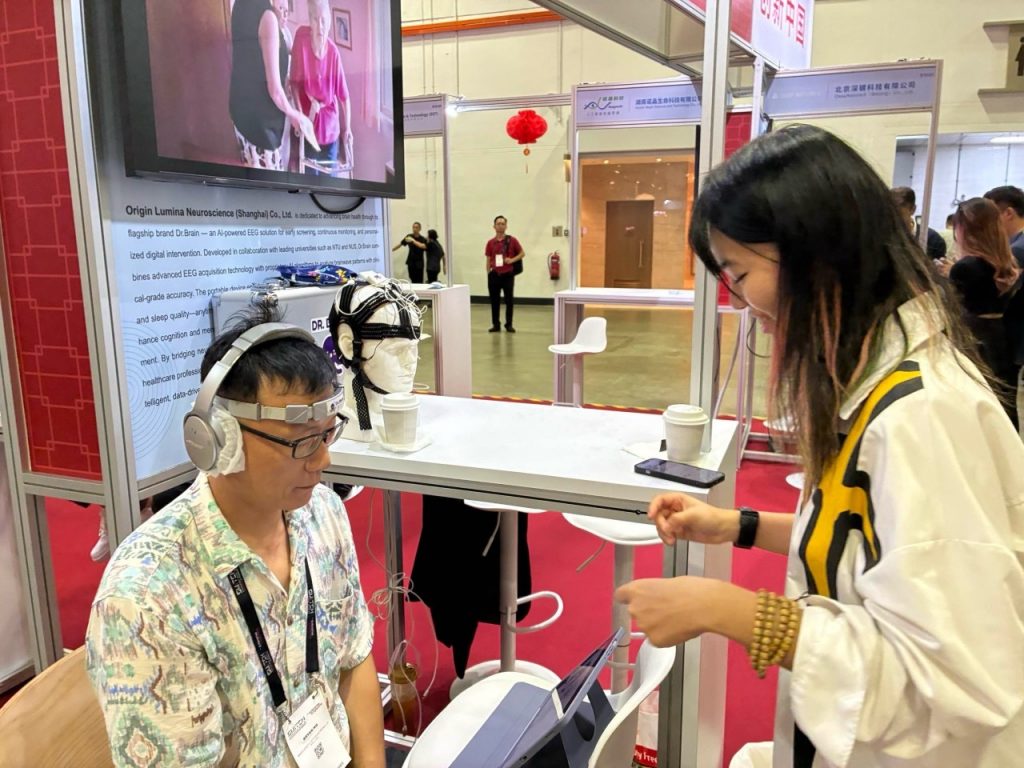
Validate & Evangelize: Establish market presence and validate product-market fit by showcasing the solution at key medical exhibitions and industry trade shows.
Workflow
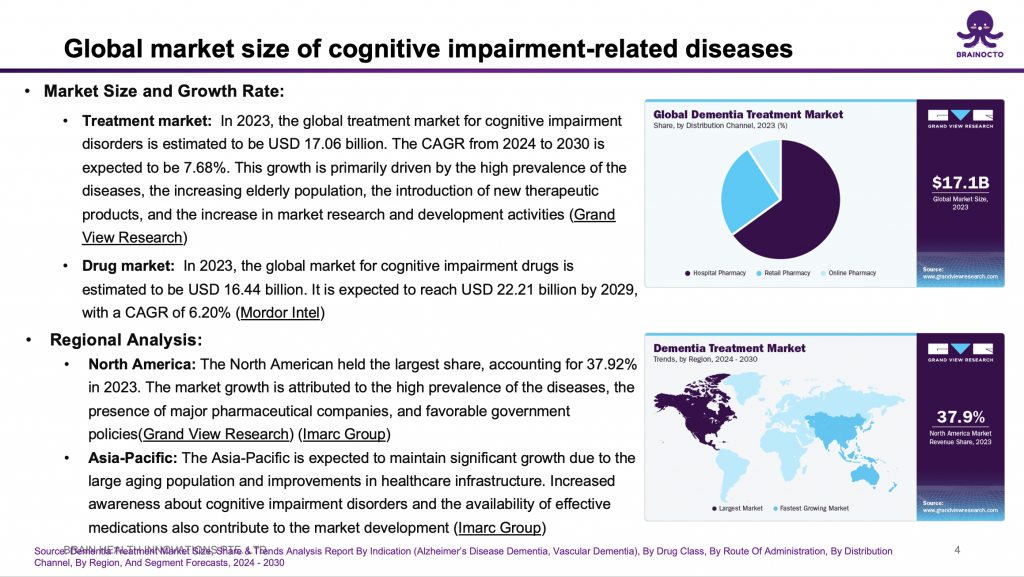
Strategic Definition & Business Planning My process began with building the business case from the ground up. I conducted deep market research and user insight analysis to identify the gaps in current brain health solutions. Based on this data, I defined the Product Requirements (PRD) and developed a comprehensive Business Plan, which included designing a sustainable business model and a strategic fundraising roadmap to secure capital and stakeholder support.
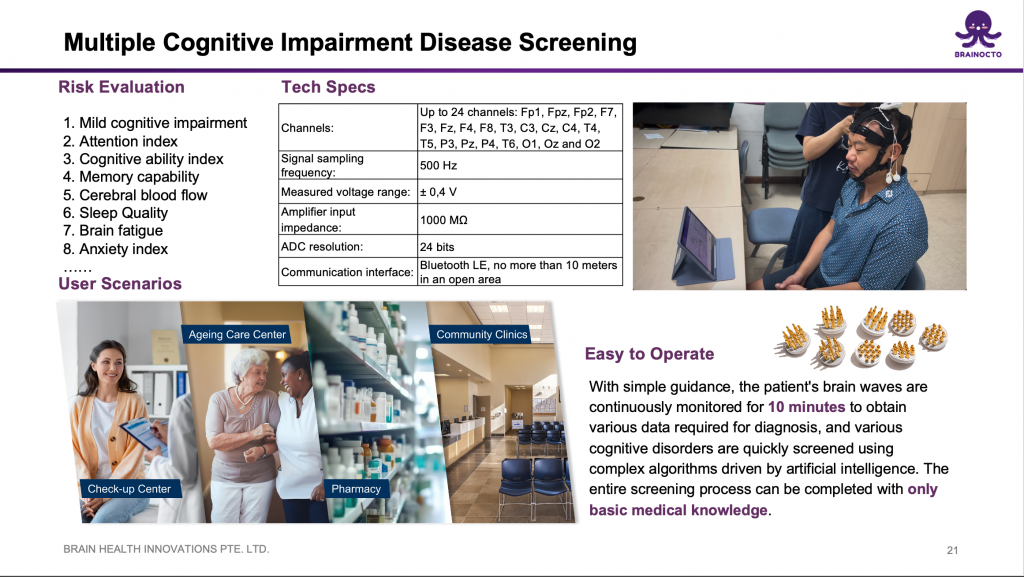
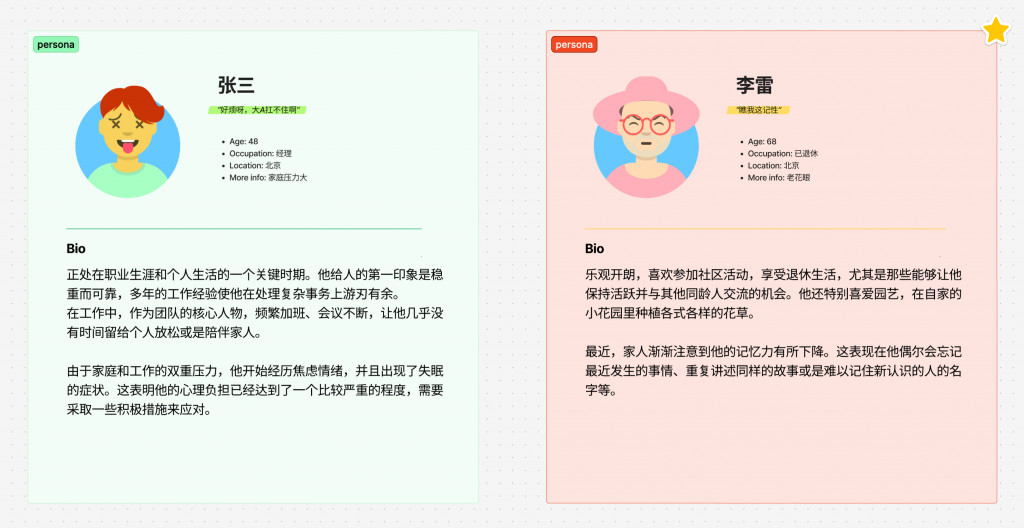
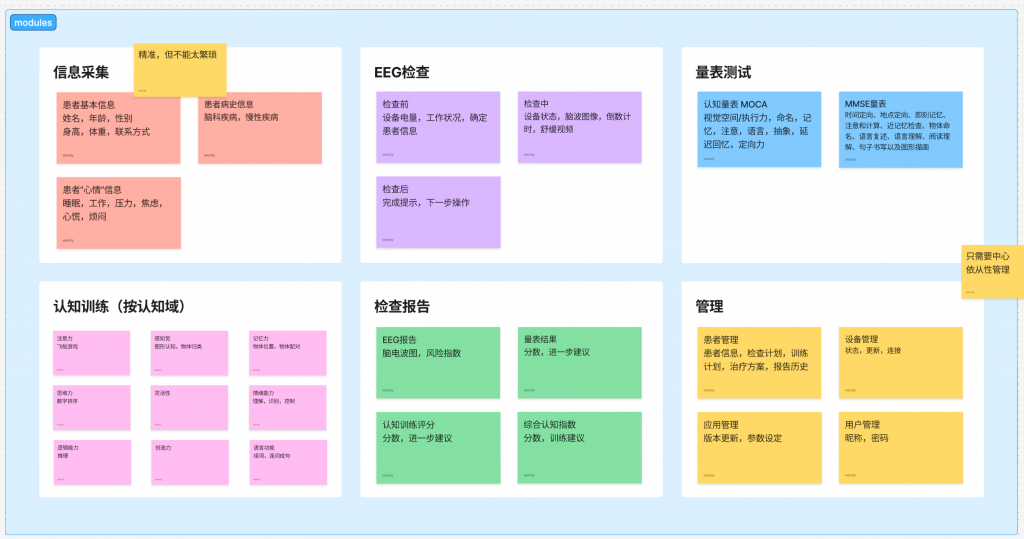
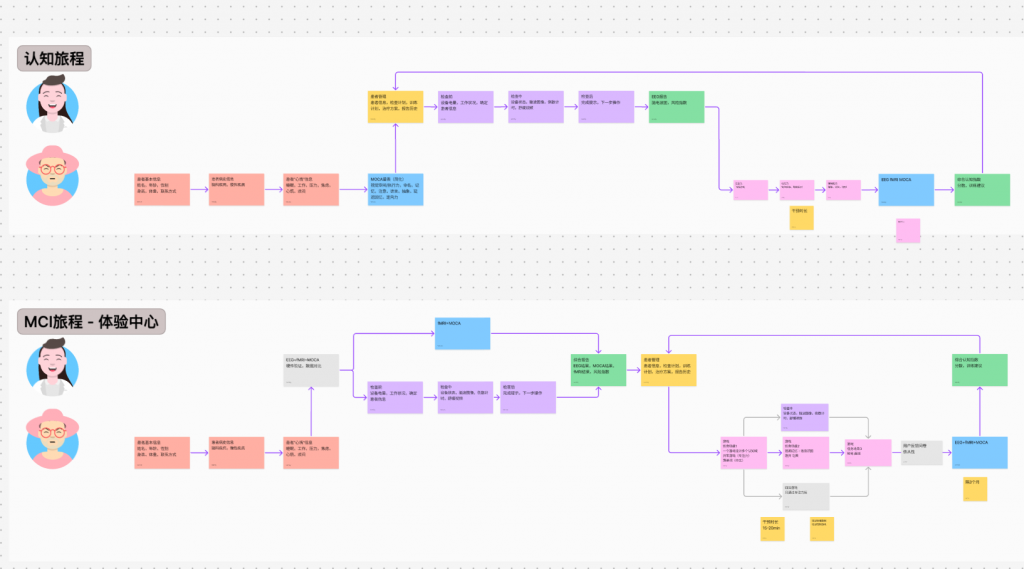
Integrated Product Design & Creative Direction I led a multidisciplinary design approach to bridge hardware and software. This involved:
Brand & Experience: Crafting the corporate brand identity and mapping end-to-end user journeys for patients and doctors. This was executed through comprehensive UX/UI design, from wireframes and prototypes to high-fidelity interfaces, ensuring intuitive navigation and clear information architecture for both web and mobile platforms.
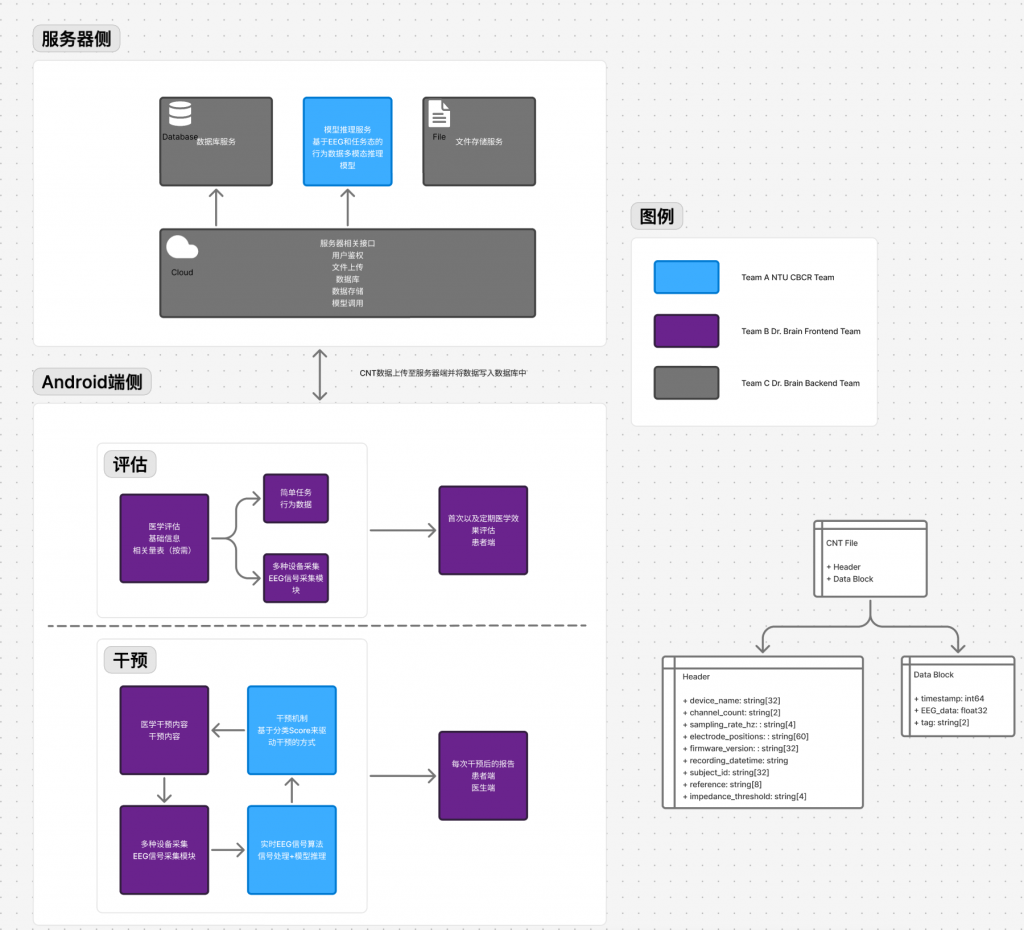
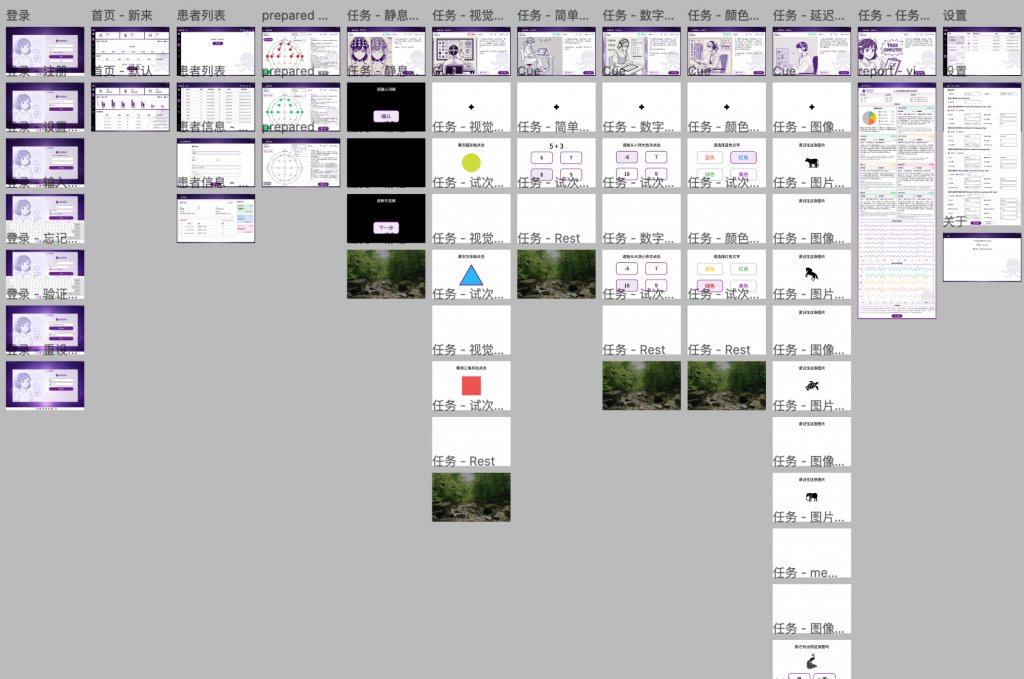
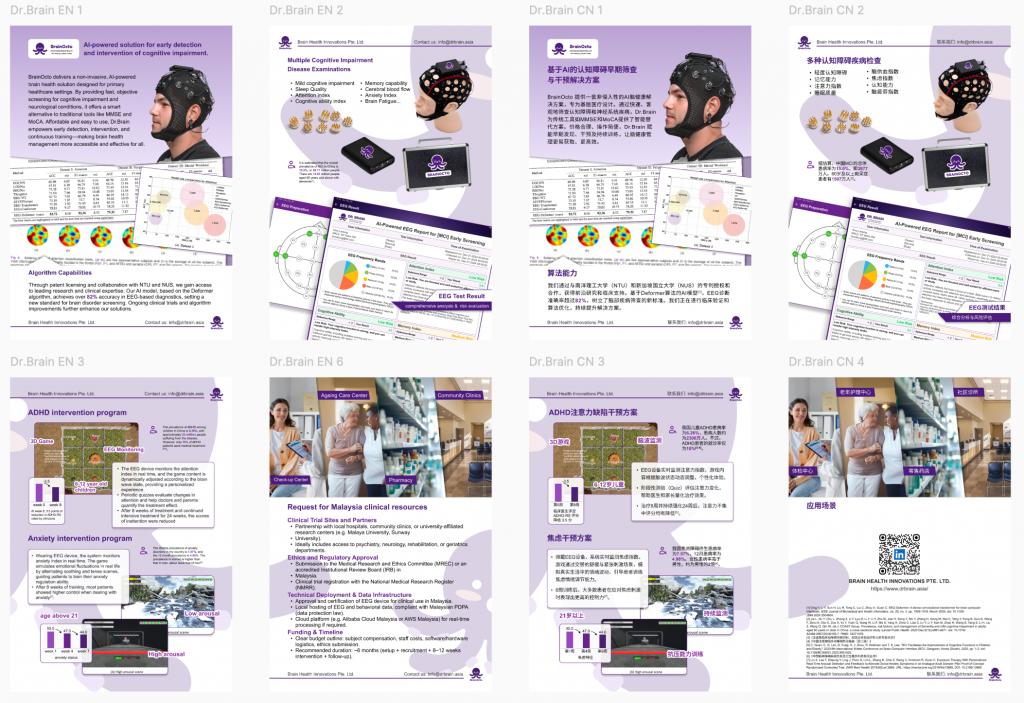
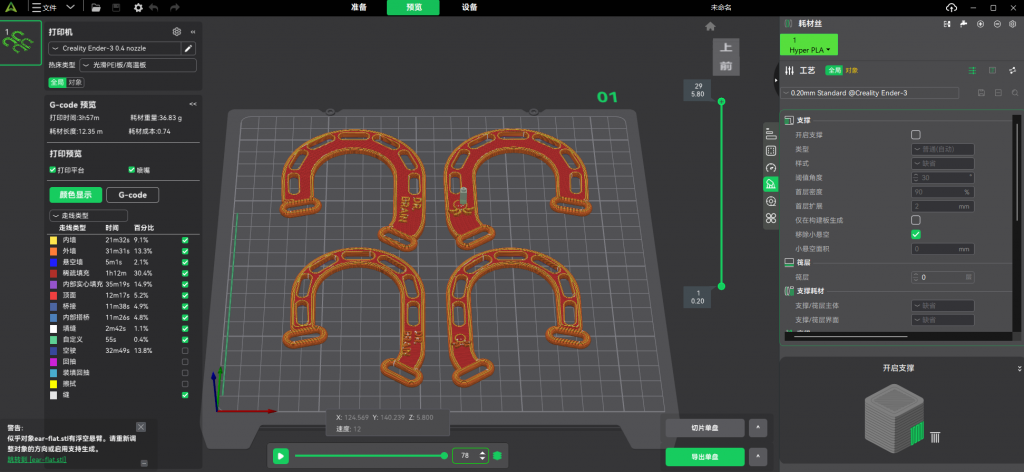
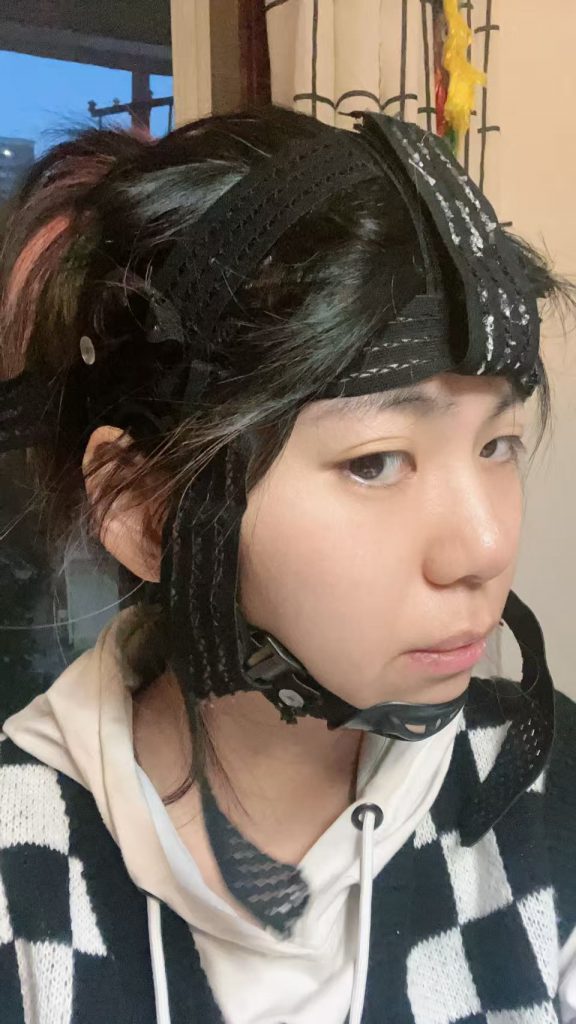
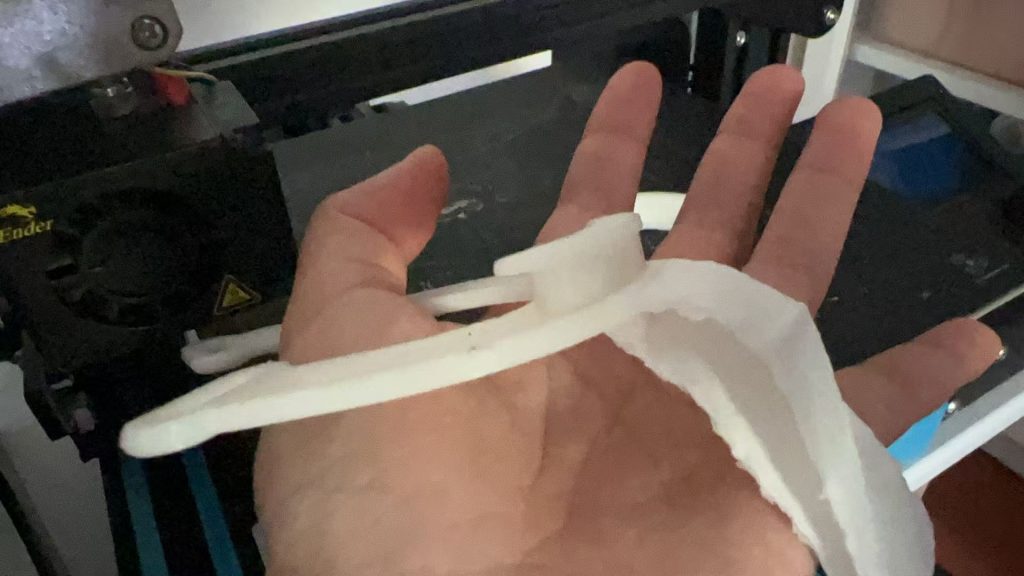
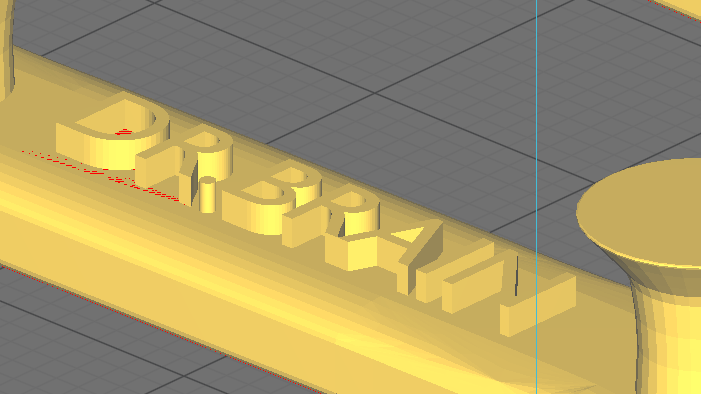
System Architecture: Overseeing the integration of software and hardware design to ensure medical-grade reliability. My hands-on contribution included creating detailed 3D models and functional prototypes via 3D printing, which were crucial for ergonomic testing, component fitting, and iterating on the physical form factor to meet both user needs and engineering requirements.
Gamification & Digital Interventions: Directing the game mechanics and art design for our digital interventions. Beyond direction, I was deeply involved in the visual execution, ensuring the UX/UI was engaging, accessible, and therapeutic for elderly users. This encompassed designing intuitive touch interfaces, optimizing feedback loops, and creating a cohesive visual language that reduced cognitive load while encouraging adherence.
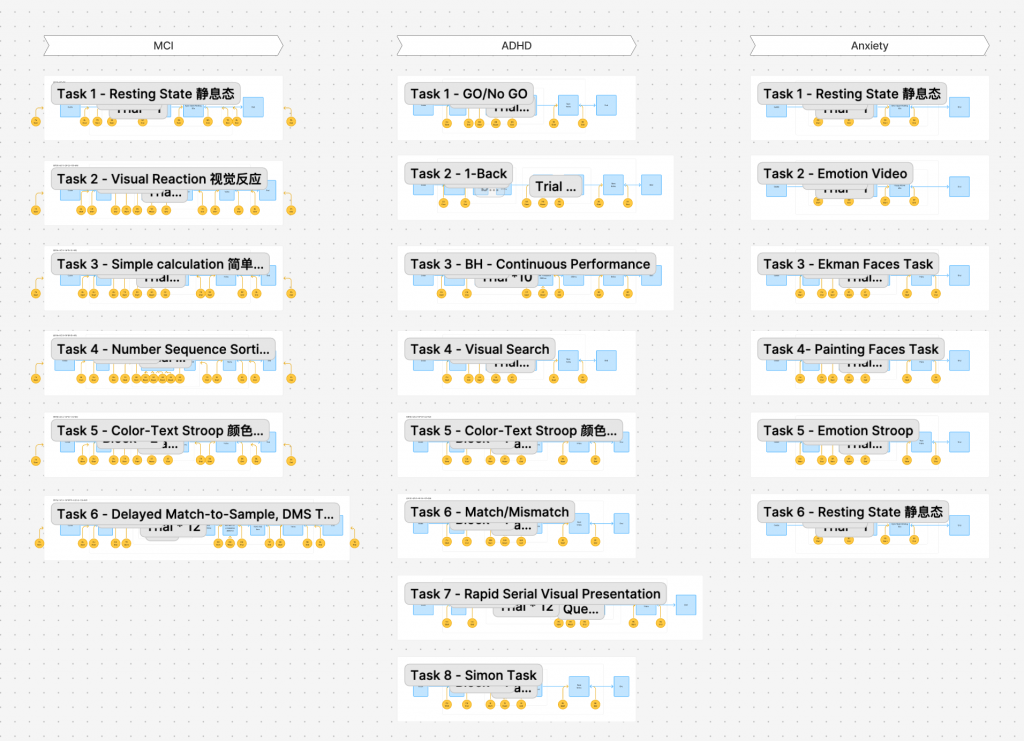
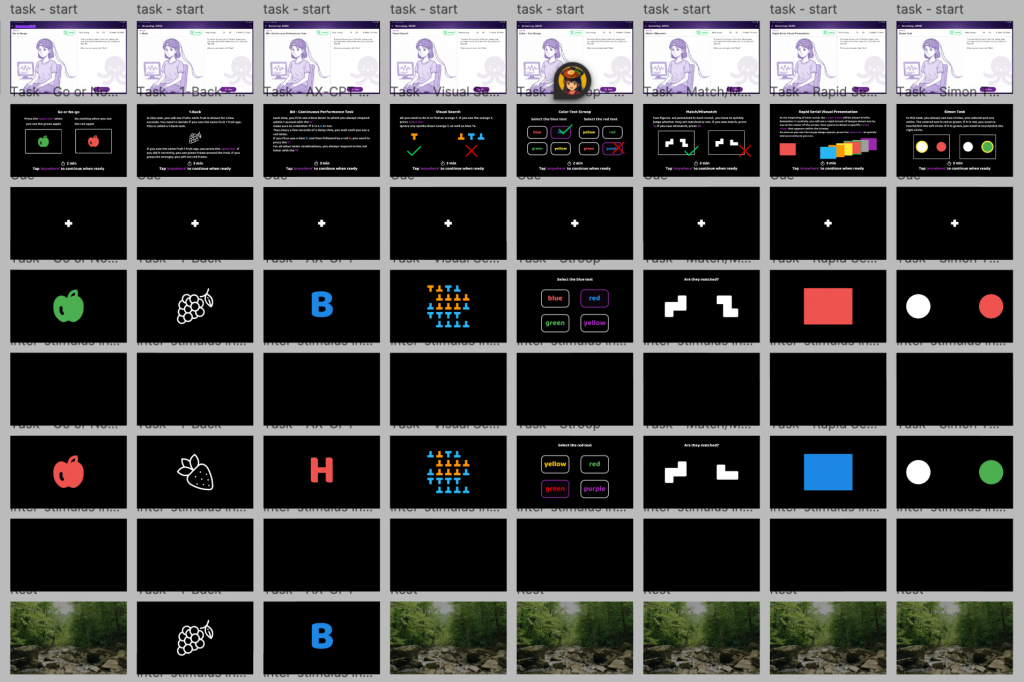
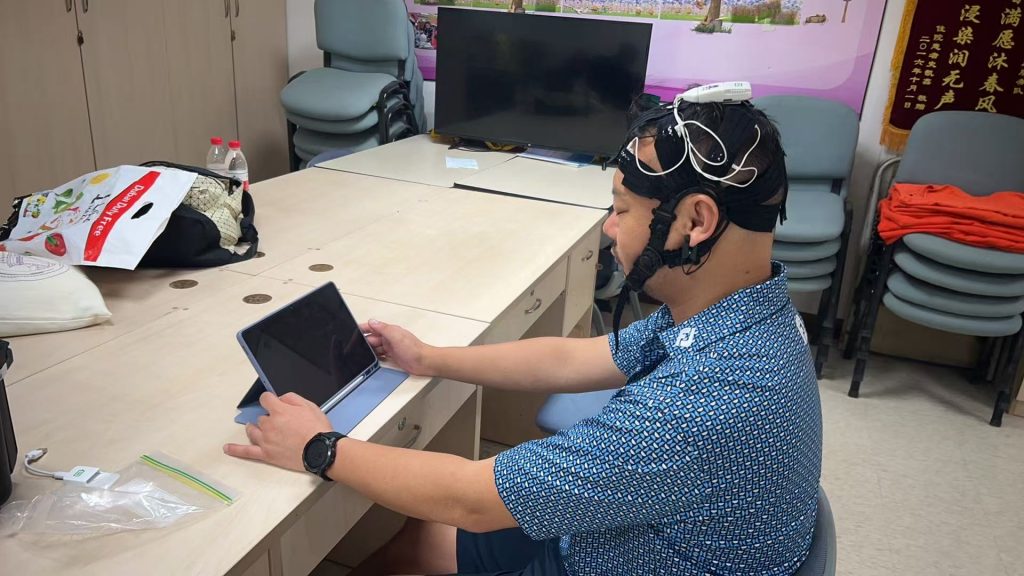
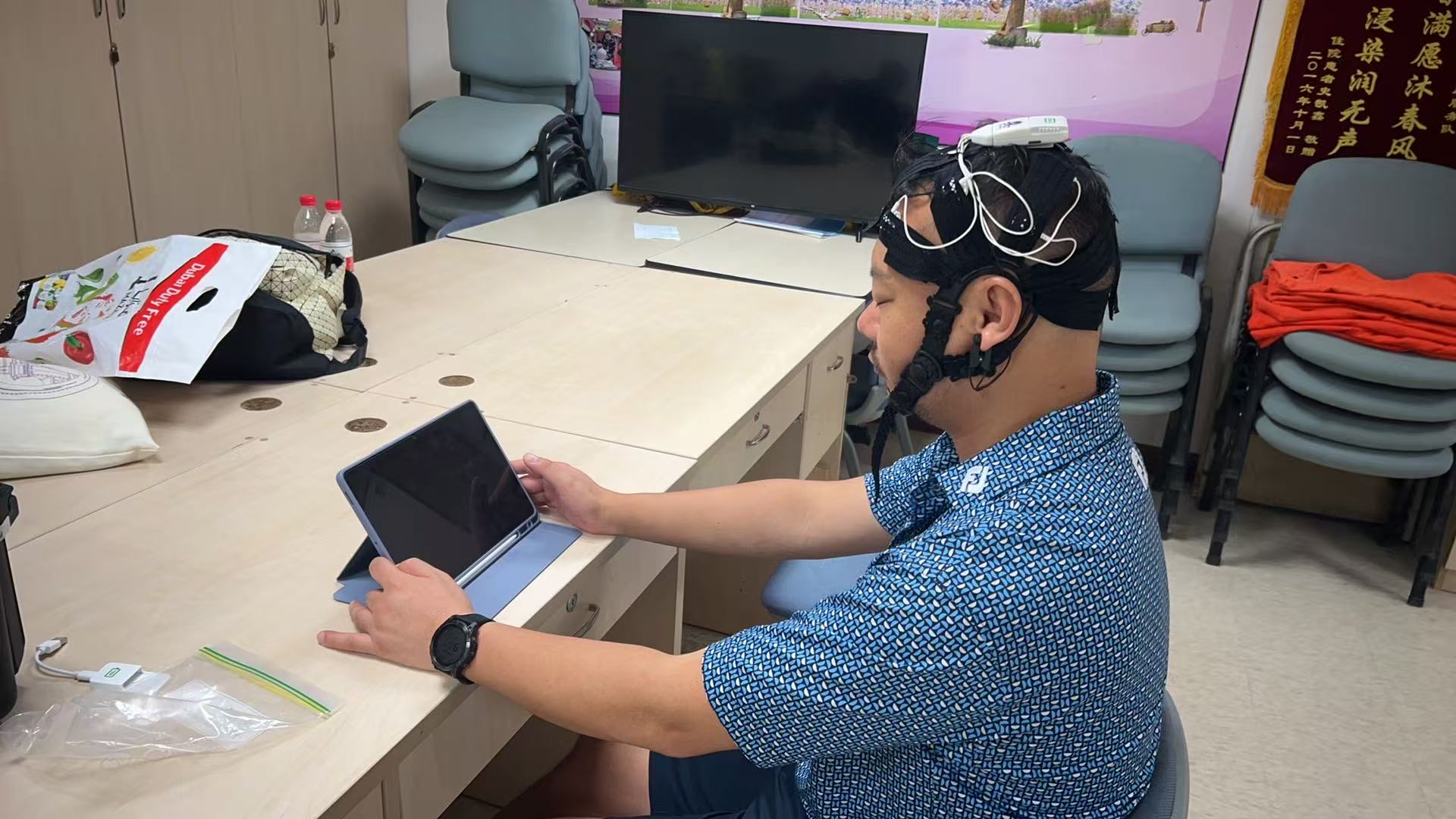
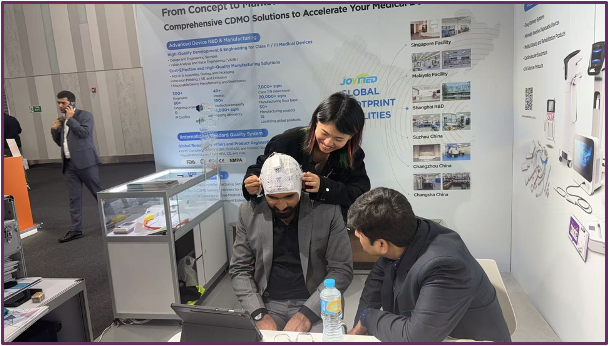
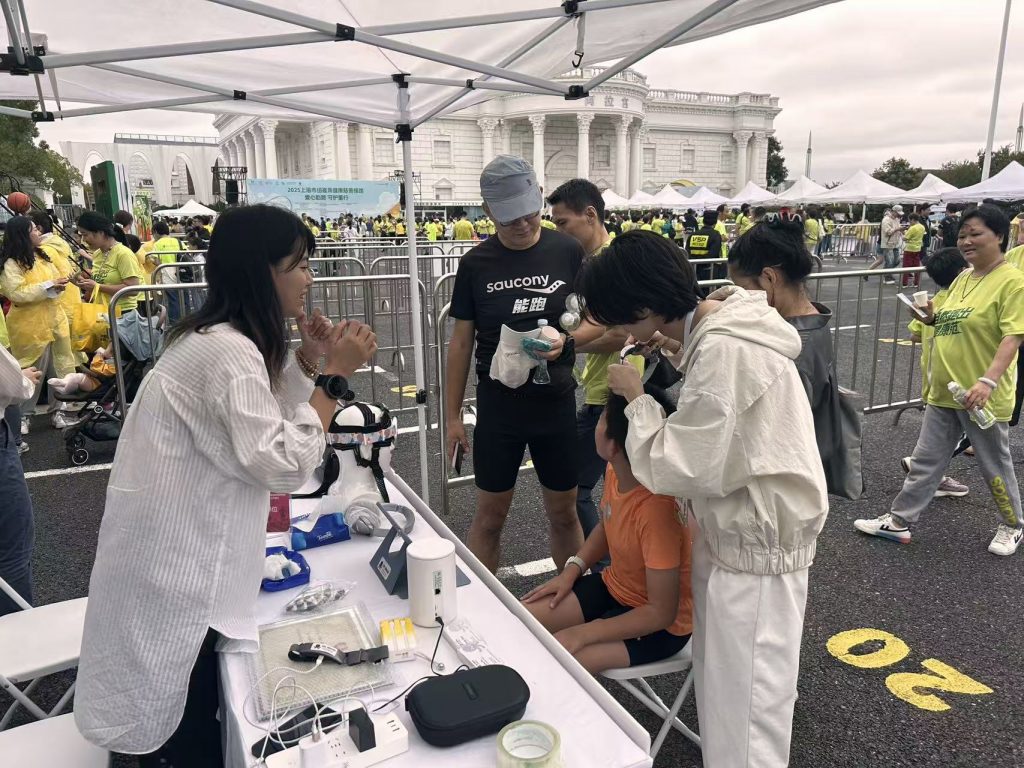
Clinical Validation & Market Expansion To ensure medical rigor, I orchestrated clinical collaborations, specifically launching and managing clinical research at Beijing Tsinghua Changgung Hospital. Concurrently, I drove market adoption by representing the company at major industry exhibitions, using these events to demonstrate our technology, gather feedback, and validate our commercial readiness.
Learning
1. Deep Domain Mastery & Technical Versatility Immersing myself in the startup journey required a rapid mastery of complex domains, specifically the clinical nuances of MCI, Alzheimer’s, and ADHD, alongside BCI technology. Beyond strategy, I remained hands-on, leveraging AI tools to optimize workflows and teaching myself 3D printing to accelerate hardware prototyping. This blend of medical knowledge and maker skills allowed me to bridge the gap between abstract concepts and tangible product solutions.
2. Global Collaboration & Cross-Disciplinary Leadership Managing a deep-tech startup meant orchestrating a truly global ecosystem. I learned to navigate diverse professional cultures by aligning NTU’s algorithmic research team in Singapore, driving clinical validation at Beijing Tsinghua Changgung Hospital, and exploring market expansion through incubators in the UAE. These experiences honed my ability to lead cross-border teams and integrate academic rigor with commercial speed.
3. Strategic Business Acumen & Investor Relations Transitioning from product design to corporate leadership significantly elevated my commercial cognition. Pitching to investors and securing buy-in wasn’t just about funding; it taught me to translate technical features into business value. The entrepreneurial process instilled a profound resilience and a “hands-on” mindset, reinforcing that successful innovation requires equal parts visionary strategy and execution on the ground.